
← Back to Blog
Local Living
Relocating to Temecula, California: Neighborhoods, Costs and Timelines
By Irma Manzanares, Broker
Manzanares Realty · DRE# 01754755
September 14, 2026 · 11 min read
Relocating to Temecula, California means choosing a city in southwest Riverside County where wine country meets suburban living, and where home prices, commute distances, and neighborhood character vary quite a bit depending on where you land. This guide covers what you need to know before you move: which areas have what kind of housing stock, what things actually cost in September 2026, and how long the buying process realistically takes from your first search to getting your keys.
1. Why People Are Moving to Temecula Right Now
Temecula draws relocators primarily because of the price gap between it and the coastal cities it sits between. San Diego is roughly 60 miles south and Los Angeles is about 85 miles northwest. Both carry median home prices that are substantially higher than Temecula's, which sits around $680,000 to $720,000 for a single-family home as of September 2026. For buyers priced out of coastal markets, Temecula offers more square footage, newer construction, and larger lots without crossing into a different region of Southern California.
What Draws Relocators Here
Temecula sits at an elevation of roughly 1,000 to 1,500 feet, which gives it a noticeably different climate than the coast or the low desert. Summers are hot but less humid than the Inland Empire cities to the north, and winters are mild with occasional frost in the valley floor. The city covers about 30 square miles and had a population of approximately 120,000 as of the 2020 census, with continued growth since then through new residential development.
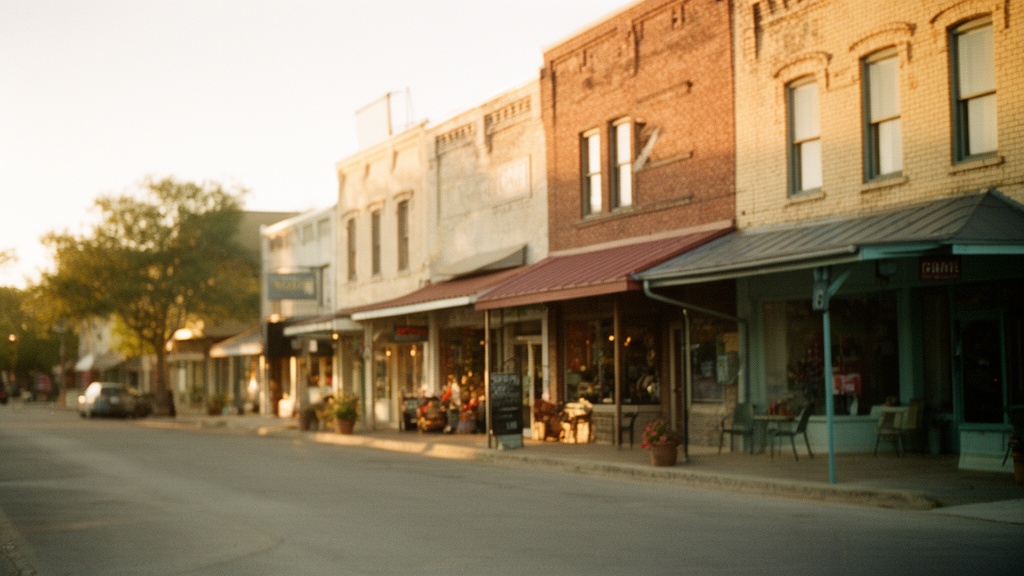
The Temecula Valley wine region, which includes more than 40 wineries concentrated along Rancho California Road east of Interstate 15, is one of the city's most distinctive features. Old Town Temecula, the historic district along Front Street, has restaurants, boutique shops, a farmers market, and weekend events that give the city a walkable center. Promenade Temecula mall, the Pechanga Resort Casino, and the Harveston Lake area add retail, entertainment, and recreation options that most cities of Temecula's size don't have.
How Temecula Compares to Coastal Southern California
A buyer who would spend $900,000 on a 1,600-square-foot home in Carlsbad or Encinitas can often find a 2,400-square-foot home in Temecula for $650,000 to $750,000. The trade-off is commute time. Driving into San Diego on a weekday morning typically takes 75 to 90 minutes, depending on traffic and the specific destination. That calculation is central to most relocation decisions, and it is worth reading through the detailed breakdown in this article on commuting from Temecula to San Diego before you commit to a home location.
2. Neighborhoods and What Each Area Offers
Temecula's residential areas each have a distinct character defined by when they were built, what the lots look like, and what amenities are within walking or driving distance. Knowing the differences helps you narrow your search before you start touring homes. For a full overview of all the city's neighborhoods, the detailed guide on Temecula neighborhoods covers each area with more depth.
Paloma del Sol
Paloma del Sol is one of Temecula's larger planned communities, located in the central-western part of the city near Margarita Road and De Portola Road. Homes here were built primarily in the 1990s and range from roughly 1,400 to 2,800 square feet. The community includes multiple parks, sport courts, and walking trails that connect throughout the neighborhood. Prices in Paloma del Sol currently run from approximately $550,000 for a smaller attached home to around $750,000 for a larger detached single-family home, though condition and upgrades affect that range considerably. The Paloma del Sol real estate guide has current pricing and recent sales data.
Redhawk
Redhawk sits in the southern portion of Temecula, adjacent to the Redhawk Golf Club course. The neighborhood has a mix of homes built from the mid-1990s through the early 2000s, with lot sizes that are generally larger than what you find in newer master-planned communities. Single-family homes here typically range from 1,800 to 3,500 square feet, with prices running from roughly $620,000 to $950,000 depending on whether the home backs to the golf course or has a view lot. Redhawk borders Murrieta to the south, which means quick access to the 15 freeway interchange at Redhawk Parkway.
Wolf Creek
Wolf Creek is a master-planned community in south Temecula built primarily in the mid-2000s, known for its wide streets, paseos, and the Wolf Creek Sports Complex nearby. Homes range from approximately 1,600 to 4,000 square feet, and the community includes both standard single-family homes and larger estate-style properties. Prices in Wolf Creek currently range from about $640,000 on the lower end to well over $1 million for the largest homes with premium lots. The neighborhood sits close to the 15 freeway, making it one of the more convenient locations for commuters heading north or south.
Wine Country and De Luz
The Wine Country area east of the 15 freeway along Rancho California Road is where Temecula's rural and semi-rural residential properties are concentrated. Homes here sit on half-acre to multi-acre lots, often with valley views, horse facilities, or vineyard plantings. De Luz, a rural community northwest of Old Town, has estate properties on even larger parcels with a more remote feel. Prices in Wine Country start around $750,000 for a modest home on a half-acre and can exceed $3 million for a working vineyard estate. The Wine Country real estate guide covers this area in detail.
Old Town Adjacent and Central Temecula
The areas immediately surrounding Old Town Temecula include some of the city's older housing stock, with homes built from the 1970s through the early 1990s on standard suburban lots. These neighborhoods offer shorter distances to Front Street, the farmers market, and the civic center. Homes here tend to be smaller, from about 1,200 to 2,200 square feet, and are priced from roughly $480,000 to $680,000. Because many of these homes are older, buyers should budget for updates and plan for a thorough inspection.
For a broader look at what is currently being built across all of these areas, the guide on new housing developments in Temecula in 2026 covers active builder projects and what to expect from new construction.
3. What It Costs to Buy a Home in Temecula in 2026
The cost of relocating to Temecula, California goes beyond the purchase price. Property taxes, HOA fees, Mello-Roos assessments, and ongoing maintenance all factor into the monthly number. Understanding each of these before you make an offer prevents surprises at closing and after.
Price Ranges by Area
As of September 2026, the citywide median home price in Temecula sits in the range of $680,000 to $720,000 for single-family detached homes. Condominiums and townhomes are available from roughly $380,000 to $550,000 depending on size and location. Entry-level single-family homes in older central neighborhoods start around $480,000, while newer construction in master-planned communities like Wolf Creek and Harveston typically starts at $650,000 and can reach $1.1 million or more for larger floor plans. Estate properties in Wine Country and De Luz represent the top of the market, with prices from $900,000 into the multi-millions.
Property Taxes and Ongoing Costs
California's Proposition 13 caps the base property tax rate at 1% of assessed value, but the actual effective rate in Temecula is typically between 1.1% and 1.4% once you add direct assessments for things like lighting districts, landscaping maintenance, and emergency services. On a $700,000 home, that means annual property taxes of roughly $7,700 to $9,800 per year. The detailed breakdown of property taxes on a $700,000 home in Temecula walks through each line item so you know exactly what to expect.
HOA Fees and Mello-Roos
Most master-planned communities in Temecula have both a homeowners association fee and a Mello-Roos Community Facilities District (CFD) assessment. HOA fees in communities like Paloma del Sol, Wolf Creek, and Harveston typically run from $50 to $150 per month and cover common area maintenance, community pools, and parks. Mello-Roos assessments are separate and are used to repay bonds issued to fund infrastructure when the community was built. These can range from $1,200 to over $3,000 per year depending on the community and the original bond amount. Older neighborhoods built before the late 1980s generally do not carry Mello-Roos, which is one reason some buyers specifically target those areas.
A helpful resource for understanding the full picture of Temecula's housing market, including how inventory and pricing have shifted, is this overview of Temecula real estate market trends from Exploring Temecula, which covers how the market has evolved in recent years.
4. Commute Times and Getting Around
Commute time is one of the most consequential decisions when relocating to Temecula, California, and it varies significantly depending on where in the city you live and where you are driving. Temecula is served primarily by Interstate 15, which runs north-south through the city. There is no Metrolink rail service in Temecula itself, though the Metrolink Inland Empire-Orange County line has a station in nearby Murrieta Hot Springs Road area, and Riverside County Transit Agency (RTA) buses connect Temecula to surrounding cities.
Driving to San Diego
The distance from Temecula to downtown San Diego is approximately 60 miles via the 15 South. On a typical weekday morning, the drive takes between 70 and 95 minutes, with the heaviest congestion occurring between the 78 interchange near Escondido and Miramar. Drivers heading to destinations in North County San Diego, such as Carlsbad, Escondido, or San Marcos, can often reach them in 45 to 60 minutes. The stretch of the 15 through Temecula itself is generally clear in the southbound morning direction; the congestion builds further south.
Driving to Orange County and Los Angeles
Northbound commuters face a different challenge. The 15 North through Murrieta and into the Inland Empire carries significant morning traffic, and the merge onto the 91 freeway near Corona is one of the most congested interchanges in Southern California. Reaching Irvine or Costa Mesa typically takes 75 to 105 minutes on a weekday morning. Los Angeles destinations like downtown or the Westside can take 100 to 130 minutes or more. Buyers who commute north should pay attention to which part of Temecula they buy in, since homes in northern Temecula near the 79 and 15 interchange shave a few minutes off the northbound drive compared to homes in south Temecula.
Local Getting Around
Within Temecula, most errands require a car. The city has a grid of major arterials including Rancho California Road, Winchester Road, Margarita Road, and Ynez Road, and most neighborhoods are within a 10-minute drive of grocery stores, medical offices, and retail. Old Town is walkable once you are there, and the Santa Rosa Plateau Ecological Reserve to the west and Lake Skinner Regional Park to the northeast offer outdoor recreation within 15 to 20 minutes of most neighborhoods. The Temecula Creek Trail system connects several neighborhoods to open space without needing a car.
5. How Long the Relocation Timeline Actually Takes
Most people relocating to Temecula, California underestimate how long the full process takes from the decision to move to the day they have keys in hand. The realistic timeline depends on whether you are buying a resale home or new construction, how quickly you can get pre-approved, and how competitive the market is when you are searching.
From Search to Offer
For buyers relocating from out of the area, the search phase typically runs four to ten weeks. This includes getting pre-approved for a mortgage, identifying which neighborhoods fit your priorities, and making one or more trips to tour homes in person. Buyers who try to purchase entirely remotely without visiting often find themselves making decisions they regret. Plan for at least one dedicated visit of two to three days where you can tour multiple neighborhoods and homes back to back. In September 2026, Temecula's resale inventory is moderate, meaning you will have options but well-priced homes in desirable areas still move within two to three weeks of listing.
From Offer to Close
Once an offer is accepted, a standard escrow in California runs 30 to 45 days for a financed purchase. During that period, you will complete your home inspection, negotiate any repairs, finalize your loan, and review disclosures. California requires extensive seller disclosures, including a Transfer Disclosure Statement, a Natural Hazard Disclosure, and any HOA documents, so budget time to read through them carefully. Cash buyers can sometimes close in 14 to 21 days if the seller agrees.
New construction timelines are different. If a builder has a completed or nearly completed spec home, you might close within 30 to 60 days. If you are buying a home that has not yet broken ground, the timeline from contract to close can be six to fourteen months. The article on new housing developments in Temecula in 2026 covers the active builder projects and their current estimated delivery windows.
Planning Your Move-In Date
Adding it all up, most relocating buyers should plan for a minimum of three to four months from the start of their search to move-in day, assuming a straightforward resale purchase. If you are coming from out of state, factor in the logistics of your current home sale or lease end date. Many relocating buyers find it useful to rent short-term in Temecula for one to three months before buying, which lets them get familiar with specific neighborhoods before committing. Furnished short-term rentals exist in the area, though inventory is limited, so arrange this well in advance.
If you are also selling a home before you buy, the coordination between the two transactions adds complexity. Reading through the guide on selling a home in Temecula will give you a clear sense of what that side of the transaction looks like and how to time it alongside your purchase.
For a broader look at what the relocation experience involves from a lifestyle and logistics perspective, the practical relocation guide for Temecula at TemeculaSells.com covers moving logistics, utilities, and local services worth knowing about before you arrive.
FAQ
What is the most affordable area to buy a home when relocating to Temecula, California?
The most affordable single-family homes in Temecula as of September 2026 are generally found in older central neighborhoods near Old Town and along the Winchester Road corridor, where prices start around $480,000 to $550,000 for homes built in the 1970s through early 1990s. Condominiums and townhomes across the city start closer to $380,000. These older areas typically do not carry Mello-Roos assessments, which reduces the ongoing annual cost compared to newer master-planned communities. Buyers who prioritize lower purchase price should also check HOA status carefully, since some older neighborhoods have no HOA at all, while others have minimal fees. Working with a local agent who knows current inventory is the fastest way to find what is available in your budget right now.
Do I need to visit Temecula in person before making an offer, or can I buy remotely?
Buying entirely remotely is possible but carries real risks, particularly for relocating buyers who are unfamiliar with how different Temecula's neighborhoods feel from one another. The distance between Paloma del Sol and Wine Country, for example, is only about 10 miles, but the housing stock, lot sizes, noise levels, and daily driving patterns are quite different. Most experienced agents recommend at least one in-person visit of two to three days where you can tour multiple neighborhoods and homes consecutively. If a visit is truly impossible, video walkthroughs, Google Street View, and a trusted local agent who can attend inspections and provide candid feedback on-site can help manage the risk. California's disclosure laws also give buyers meaningful protections and review periods during escrow.
How does the school district structure work in Temecula, and how do I find information about specific schools?
Temecula is served primarily by the Temecula Valley Unified School District, which covers most of the city's residential areas. Some properties near the city's edges may fall within adjacent districts. The district's own website and the California Department of Education's School Finder tool are the most reliable places to confirm which school serves a specific address, since school boundaries do not always follow neighborhood lines. For detailed information on how the district is structured and what resources are available, the article on